

Home & Garden
Choosing Between Turf Installation, Natural Grass, and Mulched Hardscape: A Guide for Ashland, Oregon Residents
Introduction
Choosing the right landscape option for your property in Ashland, Oregon, is a crucial decision that requires careful consideration of various factors. The local climate, personal preferences, and maintenance costs all play a significant role in determining the most suitable landscape design for your home. Residents of Ashland have a range of options available, including turf installation, natural grass, and mulched hardscapes, each offering distinct benefits and challenges.
The climate in Ashland is characterized by hot, dry summers and mild, wet winters, which can significantly impact the type of landscaping that thrives in this environment. As a resident, understanding these climate patterns is essential in your quest to effectively manage water usage and maintenance efforts. For instance, selecting native plants or drought-resistant landscapes can reduce water consumption while still creating an aesthetically pleasing environment.
Additionally, personal preferences greatly influence this decision. Some residents may prefer the lush appearance and feel of natural grass, while others might lean towards the low-maintenance aspect of turf installation or the structured elegance of mulched hardscapes. Each landscaping choice must align with your lifestyle, whether it’s arranging for family activities, hosting outdoor gatherings, or simply enjoying a serene outdoor space for relaxation.
It is also important to consider long-term maintenance costs associated with your landscaping choice. While natural grass might require regular mowing and watering, turf installations can offer a more cost-effective solution over time, as they typically demand less upkeep. Conversely, mulched hardscapes provide durable surfaces that require less ongoing maintenance, yet they may incur higher initial installation costs. Understanding these distinctions will help you make an informed choice that best complements your property and budget.
Understanding the Southern Oregon Climate
The climate in Southern Oregon, particularly in Ashland, is characterized by four distinct seasons, each presenting unique temperatures, precipitation levels, and humidity. These climatic factors greatly influence landscape maintenance and the selection of suitable landscaping options, such as turf installation, natural grass, or mulched hardscape.
Spring in Ashland ushers in warmer temperatures, often ranging from the mid-50s to the mid-70s Fahrenheit. During this season, rainfall is relatively moderate, fostering optimal growing conditions for various plants and grasses. Homeowners should consider turf installation or natural grass as advantageous options during this period, as these landscapes can take advantage of the rejuvenating moisture.
Summer tends to be hot and dry, with temperatures frequently exceeding 90 degrees Fahrenheit. The limited rainfall during this time necessitates diligent watering practices for maintaining natural grass lawns. As the heat can stress traditional grasses, some residents may opt for turf installation as a more drought-resistant alternative, minimizing the need for extensive irrigation. Alternatively, mulched hardscape remains a low-maintenance option, offering aesthetic appeal without the ongoing care that living grass requires.
In the fall, temperatures gradually cool, and precipitation begins to increase, transitioning into the winter months. This season can bring varying temperatures, often dipping into the 30s and 40s Fahrenheit. The heightened moisture levels may impact landscape choices, with homeowners encouraged to assess drainage and plant hardiness. Mulched hardscapes can provide excellent permeability, helping to reduce soil erosion while requiring less maintenance than natural grass during the wet months. Understanding the climate influences will guide residents in selecting the most suitable landscaping option for their properties.
Each season brings its challenges and requirements in maintaining Ashland, Oregon landscaping. Awareness of these seasonal impacts is vital for selecting the best landscape type for individual properties.
Turf Installation: Pros and Cons
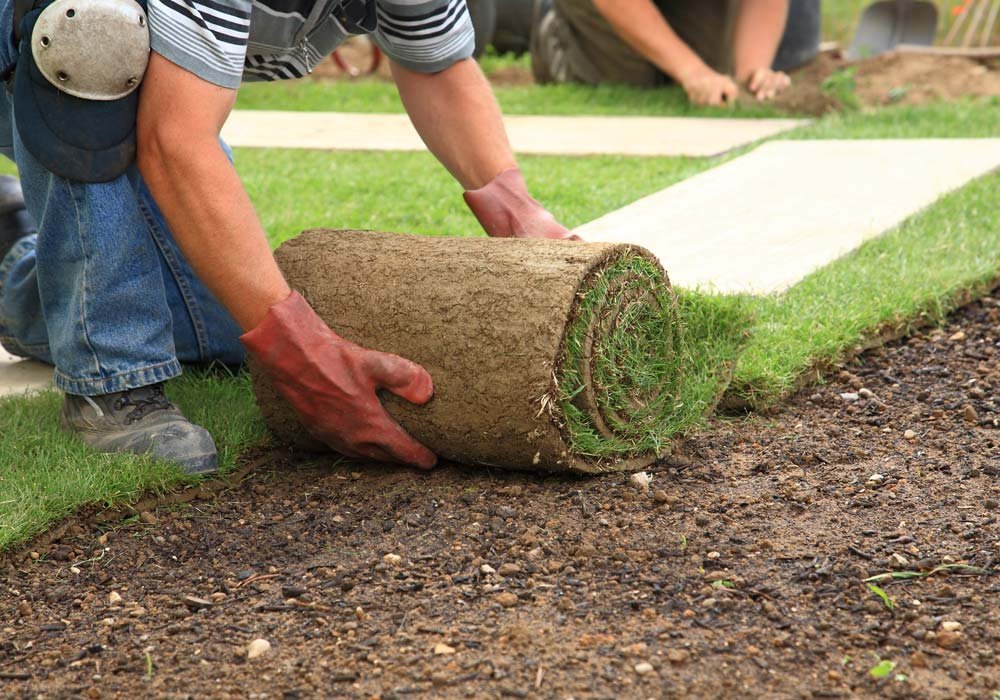
Turf installation has gained considerable popularity among Ashland, Oregon residents looking for effective landscaping solutions. One of the key benefits of artificial turf is its low maintenance requirements. Unlike natural grass that demands regular mowing, watering, and fertilization, turf offers a hassle-free alternative that remains green throughout the year. This is particularly advantageous in a region that sometimes faces water restrictions, as artificial grass does not require irrigation.
Durability is another significant advantage. Turf is designed to withstand heavy foot traffic, making it ideal for both residential and commercial properties in Ashland. Compared to natural grass, which can wear down in high-use areas, turf maintains its appearance and functionality over time. Additionally, its aesthetic appeal cannot be understated; well-installed turf can provide a lush, green appearance that enhances property value.
However, potential downsides also exist. One of the most prominent concerns is the higher initial installation cost, which can deter some property owners. For a .5-acre residential property, installation costs can range between $20,000 and $30,000, while costs for a 2-acre commercial property may soar to upwards of $100,000. This investment leads many to carefully weigh their options.
Another drawback is the heat retention of synthetic turf. During the summer months, turf can become excessively hot, making it uncomfortable for people and pets. Therefore, considerations surrounding shading and cooling solutions become important for those choosing turf as their landscaping medium. In conclusion, while turf installation provides many benefits such as low maintenance and durability, the associated costs and heat retention issues warrant thorough consideration for Ashland, Oregon property owners exploring their landscaping options.
Natural Grass: The Traditional Choice
Natural grass remains a popular landscaping choice for many properties in Ashland, Oregon, due to its numerous advantages. One of the primary benefits of natural grass is its cooling effect. Grass helps to moderate temperatures, providing a natural oasis during Oregon’s warm summer months. This cooling effect can enhance outdoor livability, making spaces more comfortable for families and visitors alike.
Moreover, the aesthetic appeal of a lush green lawn is unparalleled. Natural grass offers a vibrant appearance that can enhance the overall curb appeal of a property, contributing to positive impressions and potential increases in property value. Furthermore, grass promotes local ecology by supporting diverse ecosystems, including insects, birds, and other wildlife. This ecological contribution is crucial for maintaining the natural beauty of Ashland, Oregon.
However, maintaining natural grass does come with its challenges. For instance, water consumption can be high, particularly in the hotter months, and homeowners may need to invest in irrigation systems to ensure a healthy lawn. Fertilizer costs can also add up, as natural grass often requires regular feeding to thrive. Seasonal changes can bring about additional care needs, such as mowing, aeration, and overseeding, especially if one aims to maintain a pristine appearance throughout the year.
The cost of maintaining natural grass varies based on property size. For smaller yards, annual maintenance can average between $500 to $700, while larger estates may see costs exceeding $2,000 annually. Property owners in Ashland, Oregon may also consider services from local landscaping companies like Taproot Landscaping Inc. to efficiently manage their natural grass areas, ensuring an attractive and sustainable landscape that harmonizes with the region’s environmental goals.
Mulched Hardscape: A Sustainable Alternative
Mulched hardscape, an increasingly popular choice for Ashland, Oregon landscaping, offers a sustainable and aesthetically pleasing solution for both residential and commercial properties. One of the primary benefits of this landscaping type is significant water conservation. By using mulch in landscape designs, residents can substantially minimize the need for regular irrigation. This is particularly advantageous in regions like Ashland, where water resources may be limited during the hot summer months.
Moreover, mulched hardscapes require minimal maintenance compared to traditional sod lawns. With no need for mowing, frequent watering, or the use of fertilizers, homeowners can save both time and money. This reduced maintenance also translates into lower costs associated with landscaping services, making it an appealing option for many. Companies such as Taproot Landscaping Inc often advocate for these environmentally friendly alternatives, emphasizing their practical benefits.
Another compelling advantage of mulched hardscapes is their ability to control pests. Organic mulches deter common garden pests by providing a habitat for beneficial insects that prey on harmful species. Additionally, with its natural composition, a mulched area contributes to soil health and promotes biodiversity, creating a thriving ecosystem in the garden.
From a safety perspective, mulched hardscapes provide fireproofing benefits that are essential in wildfire-prone areas. They can act as a buffer against flames, making properties safer during high-risk seasons. Although the initial cost of installation may be higher than traditional lawns, the long-term savings and environmental benefits make mulched hardscapes a worthy investment.
In conclusion, mulched hardscapes offer a sustainable and beneficial alternative to conventional sod lawns and ornamental gardens. By choosing this landscape type, Ashland residents can enjoy reduced water usage, lower maintenance requirements, and additional ecological advantages, all of which contribute to a healthier environment and community.
When considering ashland oregon landscaping, costs and maintenance play vital roles, especially when comparing turf installation, natural grass, and mulched hardscape options. For a residential property of approximately 0.5 acres, the initial costs associated with turf installation can range from $5,000 to $10,000, depending on the quality of the turf selected. This option usually requires minimal maintenance, with annual costs roughly estimated at $500-$1,000 for upkeep, including periodic revitalization treatments and occasional repairs.
In contrast, natural grass can be more cost-effective initially, with installation ranging from $3,000 to $7,000. However, maintenance demands can escalate these costs. Homeowners may expect to spend about $1,000-$2,000 annually on water usage, fertilization, and pest control. Over time, these expenses can accumulate, particularly in regions like Ashland, where climatic conditions dictate the length of the growing season.
For larger commercial properties of about 2 acres, the financial analysis shifts significantly. The turf installation may incur costs from $20,000 to $40,000, with similar lower maintenance expenses at approximately $2,000-$4,000 yearly. In contrast, natural grass maintenance could reach $4,000-$8,000 annually as the requirement for fertilizers, regular mowing, and irrigation becomes more demanding with the increased size of the property.
On the other hand, mulched hardscape offers a different perspective regarding costs. The installation of hardscaping can average between $8,000 and $15,000 for 0.5 acres and can rise to even higher amounts for larger lots due to design intricacies and material choices. Moreover, maintenance is relatively low, largely consisting of periodic mulch replacement and clean-up, potentially amounting to $300-$600 each year.
Overall, the choice between these landscaping options requires careful financial consideration, particularly regarding long-term maintenance expenses, water costs, and required repairs. The best landscape type for Ashland, Oregon properties hinges on balancing initial investments with ongoing financial commitments.
Seasonal Considerations for Each Option
When considering Ashland, Oregon landscaping options, it is essential to understand how each choice performs throughout the different seasons. Given the region’s unique climate, homeowners often question what is the best landscape type for Ashland, Oregon properties, particularly in relation to seasonal maintenance and aesthetics.
During the summer months, watering needs become a critical factor. Natural grass typically requires consistent irrigation to maintain its vibrant green color and health, especially during peak heat. Conversely, turf installation can offer an attractive alternative, as modern synthetic options often come with mechanisms to maintain a lush appearance without excessive water usage. This can significantly reduce the overall maintenance requirements during hot spells. However, it is important to note that while artificial options can withstand droughts, they may not provide the same cooling effect as natural grass.
As autumn arrives, both natural grass and turf undergo distinct growth patterns. Natural grass typically enters a growth phase, allowing for robust root development before winter. This is a prime time for maintenance activities such as aerating and overseeding. In contrast, turf does not experience the same level of growth, meaning the emphasis shifts more towards upkeep to maintain its appearance. Meanwhile, mulched hardscape surfaces provide an aesthetic advantage in fall, as leaf litter can elegantly contrast with the mulch, requiring minimal additional care.
Winter resilience varies significantly across landscaping choices. While natural grass often goes dormant, turf remains unaffected by cold temperatures, maintaining its appearance throughout the landscape. Conversely, natural grass may need protective measures against harsh weather to prevent damage. Ultimately, these seasonal challenges should guide homeowners in Ashland to choose the most suitable landscaping option, tailored to their preferences and maintenance capabilities.
Benefits Beyond Aesthetics: Environmental Impact
When considering the environmental implications of landscaping options in Ashland, Oregon, it is essential to evaluate the effects of natural grass, turf installation, and mulched hardscape on local ecosystems. Each option offers unique benefits and challenges that go beyond mere visual appeal.
Natural grass and turf installations, for instance, can support biodiversity by providing habitats for various species. The root systems of grasses can help improve soil structure, reduce runoff, and promote water absorption, which ultimately benefits local wildlife. Additionally, they have the potential to cool the surrounding area, mitigating heat island effects commonly observed in urban settings.
However, it is important to consider the maintenance practices associated with these grasses. Excessive watering and chemical fertilizers can adversely affect local water quality and ecosystems. As such, sustainable landscaping practices, including drought-resistant species and organic fertilizers, are encouraged to minimize environmental impact.
On the other hand, mulched hardscape offers distinctive environmental advantages, particularly in regions prone to wildfires like Ashland, Oregon. Using bark or wood chips as mulch creates a fire-resistant barrier, potentially saving properties from wildfire damage. Furthermore, mulched areas reduce soil erosion and can enhance the aesthetic appeal while requiring less water and maintenance compared to traditional turf or grass.
Incorporating these practices into your Ashland Oregon landscaping not only contributes to a more sustainable environment but also fosters the conservation of local flora and fauna. Reducing surface temperature and increasing the area’s overall biodiversity is pivotal. The choice between turf, natural grass, and mulched hardscape ultimately hinges upon the ecological considerations and long-term impacts on the environment.
Conclusion: The Clear Winner
After a thorough examination of the options available for Ashland, Oregon landscaping, which includes turf installation, natural grass, and mulched hardscape, it is evident that each choice comes with distinct advantages and disadvantages. Turf installation offers quick aesthetic appeal and often requires less maintenance once established. However, it can be a more costly initial investment. On the other hand, natural grass provides a classic environment that enhances the beauty of any property but necessitates consistent care, including watering and mowing, particularly in Ashland’s varying climate.
Mulched hardscape, while less conventional, showcases a practical solution for homeowners seeking low-maintenance landscaping. It is particularly advantageous for those who prefer a drought-resistant yard, a significant consideration given the region’s occasional dry spells. Moreover, it can serve as an appealing alternative for resilient landscape features in Ashland properties, reducing the need for frequent upkeep and conserving water.
When it comes to resilience and affordability, mulched hardscape emerges as the clear winner. Not only does it withstand harsher environmental conditions better than traditional grass, but it also allows property owners to allocate resources more effectively over time. The cost of installation may vary depending on the materials chosen, yet reduced maintenance expenses can lead to savings in the long run.
For Ashland residents, the decision ultimately hinges on individual preferences and specific landscape needs. For those valuing traditional greenery, natural grass may still hold appeal. However, for residents seeking an efficient solution that aligns with sustainability and cost-effectiveness, opting for mulched hardscape could very well be the most beneficial route. Engaging with local experts, such as Taproot Landscaping, can further enhance these efforts to ensure the chosen landscaping reflects both personal style and environmental considerations.
